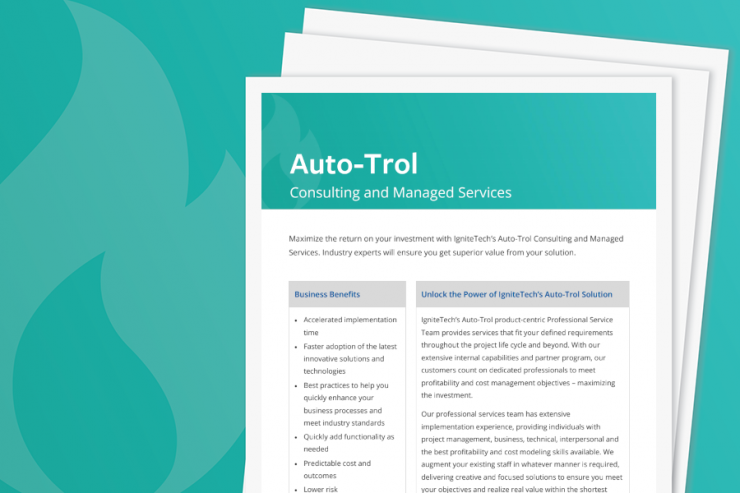
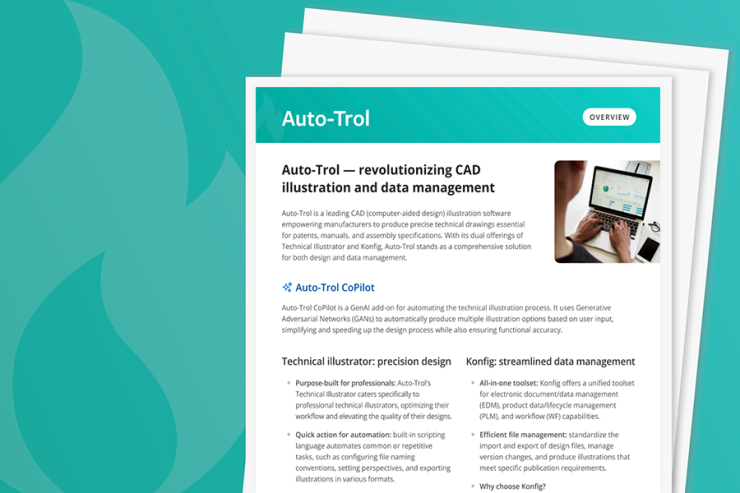
Auto-Trol is an on-premise technical configuration tool that includes two products: Konfig and Technical Illustrator.
Why Technical Illustrator?
- Computer-aided design (CAD) software
- Harness the power of the “graphics language” for effective communication.
- Facilitate the creation of complex composite artwork — quickly, precisely, easily.
- Deliver detailed technical illustrations that power product assembly, operations, service, sales, support and training materials that your company relies upon to compete successfully
Why Konfig?
- Single integrated toolset for electronic document/data management (EDM), product data/lifecycle management (PLM) and workflow (WF) capabilities
- Effectively store documents, manage version control and automate workflows

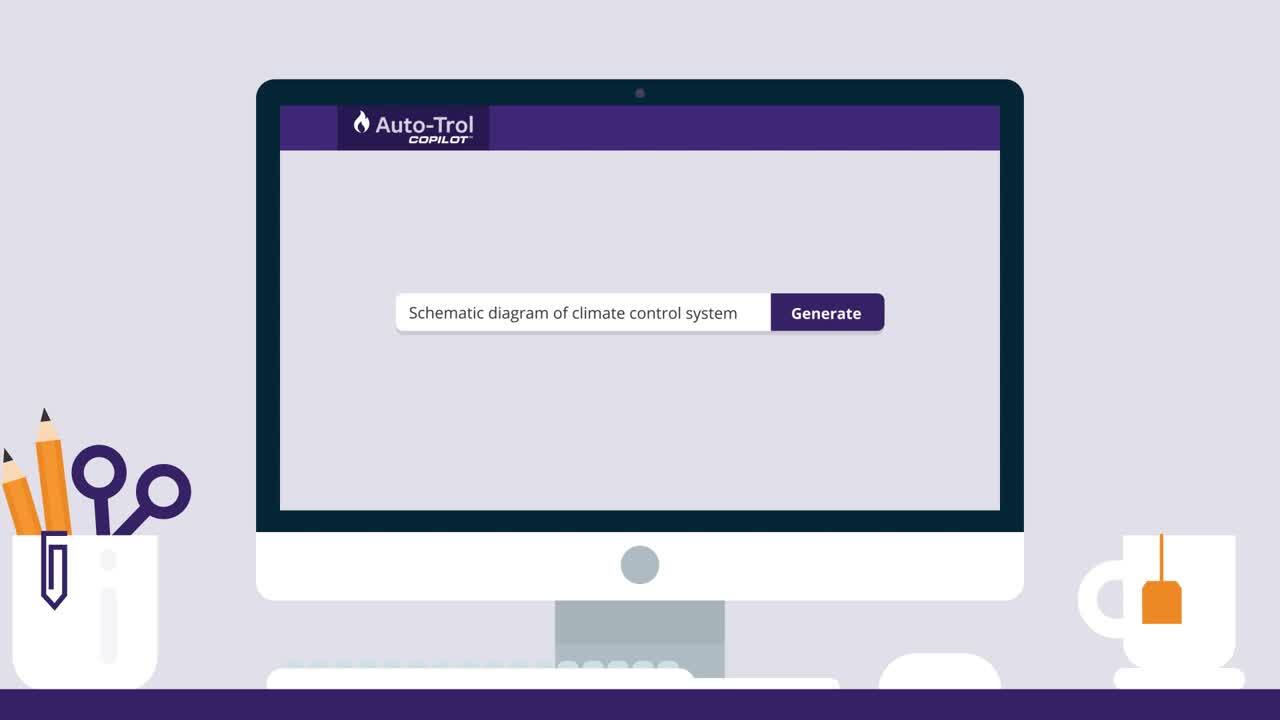
NEW GENAI COPILOT FEATURE
Auto-Trol CoPilot is a GenAI add-on for automating the technical illustration process. It uses Generative Adversarial Networks (GANs) to automatically produce multiple illustration options based on user input, simplifying and speeding up the design process while also ensuring functional accuracy.
FEATURES:
- Design Suggestions: Quickly generates multiple illustration options based on user inputs.
- Direct Rendering: AI-crafted designs are instantly available in the Technical Illustrator interface, making reviews and selections faster.
BENEFITS:
- Speed: Reduces the time spent on creating multiple design iterations.
- Quality: Ensures generated illustrations meet both aesthetic and functional criteria.
- Streamlined Workflow: Simplifies the design process, making operations more fluid and efficient.
COMPLEMENTARY IGNITETECH UNLIMITED SOLUTIONS
Check out the solutions below, available free as part of your Auto-Trol subscription:
AlertFind
AlertFind
Enterprise notifications to communicate important information, monitor responses and verify staff safety.
FogBugz
FogBugz
Plan, track and release great software with this lightweight and customizable system that seamlessly integrates into any project management workflow.
Blog Posts
Apr 17, 2024
IgniteTech Integrates AI Features Across Its Enterprise Software Portfolio
IgniteTech delivers AI-powered enhancements for 12 of its leading software products, available now…

Apr 11, 2024
Supercharge Your Team: Expert Knowledge on Demand with Jive Personas
Discover how Jive Personas, an innovative AI-driven solution, transforms the way organizations…

Apr 8, 2024
How computers understand Human Language
Unravel the mysteries of how computers understand human language through the fascinating world of…

Oct 21, 2020
Announcing IgniteTech Insights, our New ML/AI Offering
New capabilities advance mission-critical Expert System processes

Apr 10, 2019
How Unseen Costs Are Hurting Your Business's Bottom Line
To maintain healthy bottom lines, organizations should consider their options for identifying and…

Jan 4, 2019
Why You Need to Switch to Time-Driven Activity-Based Costing Now
If you haven’t already made the switch to a time-driven ABC model, here’s why you shouldn’t wait any…